Offline is the new luxury
Somebody will happily sell you an evening without your phone. You can also leave it at home for free.
Being unreachable has turned into something people pay for. You can buy a ticket to an evening where someone locks up your phone, or book a resort that charges extra to hold it at the front desk. A small industry now sells phones on the promise that they do less. Not answering used to mean you didn’t matter much. Now it often means you matter enough that people will wait.
I think that’s mostly a good sign, and I’m part of the trend, so I’m not going to sneer at it. But it has a class problem that’s worth taking seriously, and it hides something useful: the cheap version of offline is very cheap, and it works about as well.
Paying someone to hold your phone
The best example is also the most charming. The Offline Club started in the Netherlands in 2022, founded by Ilya Kneppelhout, Valentijn Klok and Jordy van Bennekom. You hand your phone to a “phone hotel” at the door, a locker with dividers, and spend the evening reading, drawing or talking to strangers. When The World visited in 2024 it cost around $8 at the door, and it was running in six Dutch cities.
The detail I like most: the founders started with offline weekend getaways, then made the club so people who couldn’t afford those trips could come. That’s the most honest business decision in this whole post.
Then there’s Yondr, the lockable pouch. Graham Dugoni invented it in 2014, and NBC News counts Dave Chappelle, Chris Rock and Jack White among the performers who’ve backed phone-free shows. Your phone stays with you, sealed in a pouch you can’t open until you leave. Schools are where it took off. By this September, CBS reported at least 2.5 million students using the pouches, at roughly $25 to $30 per student. New York’s bell-to-bell rule started this fall, and I wrote last month about what it looks like from a Buffalo parent’s chair.
Hotels have caught on. At Grand Velas resorts in Mexico, guests can pay an extra fee for a digital detox program where the concierge holds their phones, in rooms that can run thousands of dollars a night. This summer a boutique hotel in the Cayman Islands went the other way and offered half off a three-night stay to guests who handed over their screens at check-in. One resort charges extra to hold your phone and another gives you a discount for the same service, which tells you this is a price on a feeling.
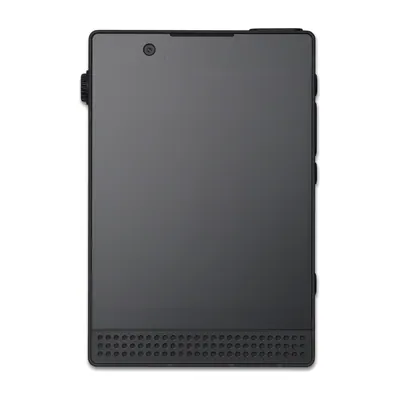
And there are the phones. The Light Phone III launched in March at $599, with an OLED screen and a scroll wheel and nothing much to scroll. Wallpaper, a design magazine, called it “this piece of high-tech anti-technology”, and one of its founders compared the speaker grille to old Braun design. I’ve lived with the Light Phone II and I like what Light does. I also notice that a phone built to be ignored is now photographed like a watch.
Being unreachable has always belonged to the boss
Last year the Wall Street Journal wrote about executives who’d traded their smartphones for dumbphones. One of them, Benjamin Crudo, the CEO of a software company, carries a Punkt MP02. He admitted it causes “a bit of disruption” for the people around him. Then he said, “Lucky for me, I’m the boss.”
I laughed, and then it stuck with me, because that’s the whole class problem in six words. Being hard to reach has always been a privilege of people who can make others wait. The executive with an assistant has been unreachable for a hundred years. What’s new is that the rest of the world got BlackBerrys and then smartphones, and the boss kept the option to turn it all off.
For a lot of people that option doesn’t exist. Pew found last year that 15 percent of American adults are “smartphone dependent”, meaning they have a smartphone and no home broadband. In households earning under $30,000, it’s 28 percent. For them the phone is the computer and the bank at once.
And a lot of work now arrives through an app: shifts, dispatch, deliveries, the portal a landlord posts to. If your income runs through an app, nobody gets to lecture you about screen time, least of all me.
So I try to be honest about my own setup. I work at a desk, which means email waits until I’m in front of a computer and nobody minds. I keep a backup smartphone at home for the things that refuse to work without one. Someone else in my house can hold the app the school posts to. Each of those is a kind of help, and plenty of people don’t have it. The group chat is the one that trips up the most people, and I wrote about keeping it on a small phone earlier this year.
The cheap version of offline is cheap
Here’s where I push back on my own argument. The expensive versions of offline get the headlines, but almost none of what they sell costs money.

A keypad phone runs about $20 to $60, and the database can show you what’s under $100. A library card is free, and a library is the closest thing most towns have to a phone-free club that’s open most days. A walk costs nothing either, and neither does anything on the alternatives page, which is a list of changes to make to the phone you already own.
The Offline Club charges about $8 to put your phone in a locker. A shoebox does the same job. If you want the social part, the club guide is how I’d do it: two or more people, once a month, phones in a box by the door.
What the paid versions sell, if you look closely, is permission. A ticket gives you an excuse to be unreachable that other people will accept, and a resort turns it into a vacation instead of a rudeness. Those excuses are worth something, and you can mostly give them to yourself. Tell people when you’ll be off. Say it once. Most of them won’t care, and the ones who do will learn your schedule.
What the luxury version gets right
I don’t want to sound like I’m above all this. The paid versions work, and it’s worth saying why.
They work because of the other people. A phone hotel is a locker. What’s worth $8 is twenty strangers who also put their phones in it, so the room has a different feel than any room you’ve been in lately. That’s very hard to make alone, and it’s why I keep pointing people toward clubs.
They also make the idea visible. When a concert goes phone-free or a design magazine covers a phone that does less, it tells a lot of people that wanting less is normal. Part of why records and film and flip phones are selling again is that enough people did it out loud.
What I’d push for is making the cheap version easier. Banks that still work without an app. Parking meters that take a card. Schools that send a paper note. Tickets you can print. Every one of those makes being offline a little less of a luxury, and none of them needs anyone to buy anything.
Offline costs about as much as a walk. The expensive part is being allowed to stay there, and that’s the part worth fighting for.
Read next
-

Essays
Shooting film when my phone can't take pictures
What happened after I switched to a phone with no camera: a Contax T2, about a roll a month, the wait for scans, and fewer, better pictures of my kids.
-

Essays
In praise of boredom
A year after trading my iPhone for a Light Phone II: runs with no music, waiting rooms with nothing to look at, and what showed up once there was room.
-
Essays
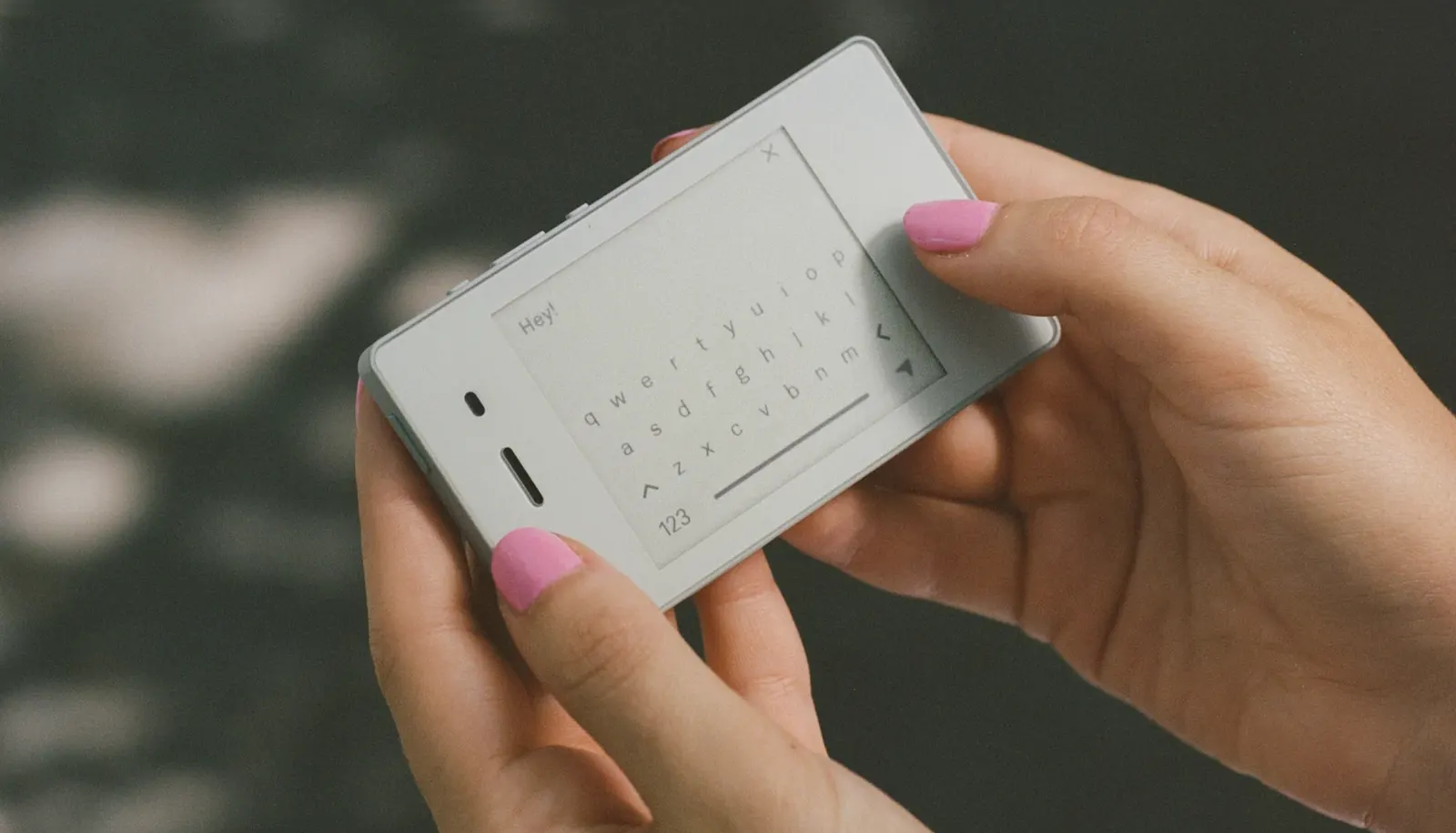
Going back to basics: the appeal of a dumbphone in a world of smartphones
Why I traded my iPhone for a Light Phone II after my kids were born, and what the Slow movement and Essentialism have to do with a phone. Written in 2023.